Yon tan mgon po


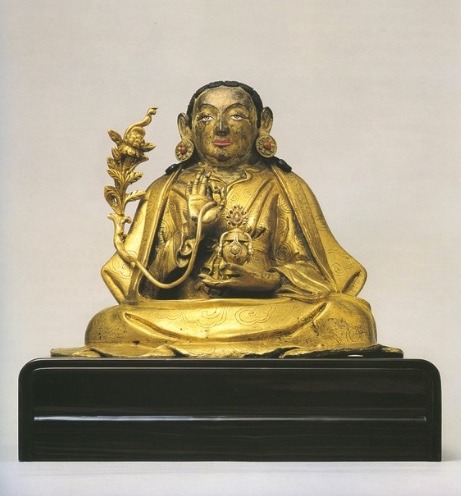
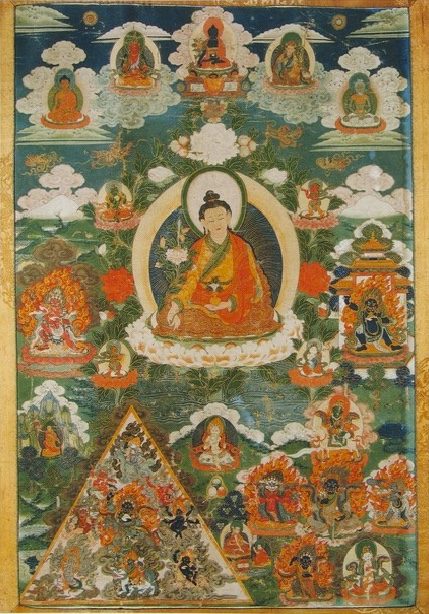
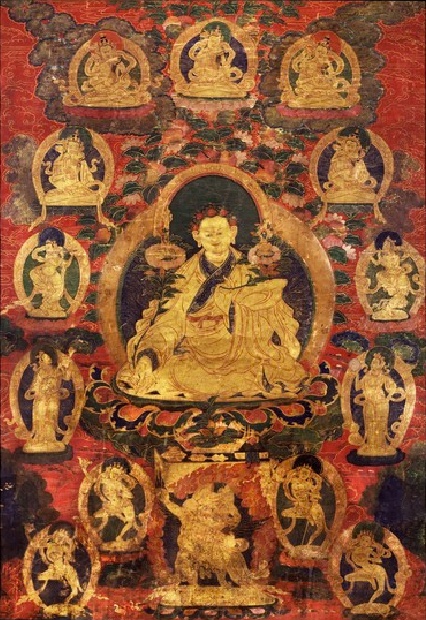
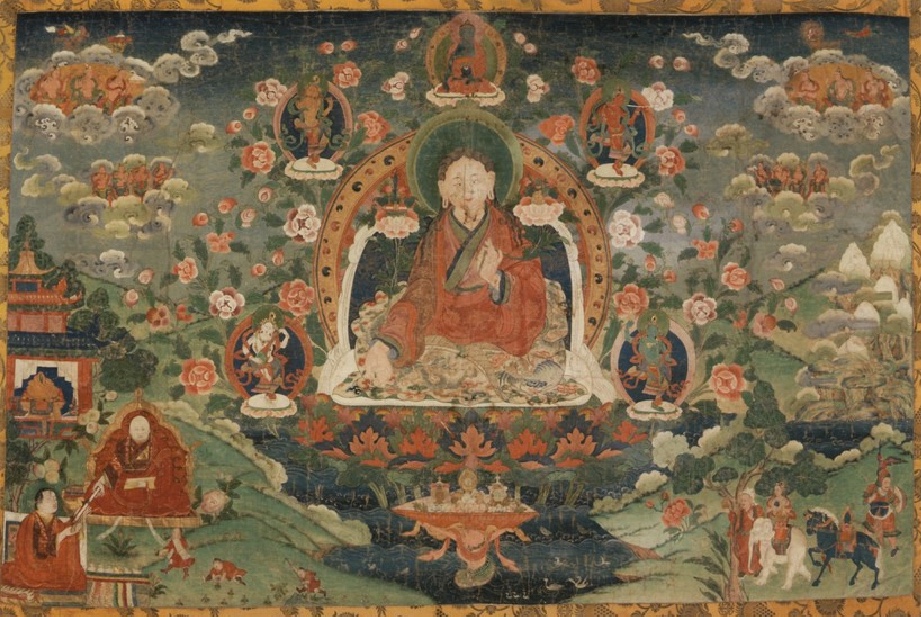
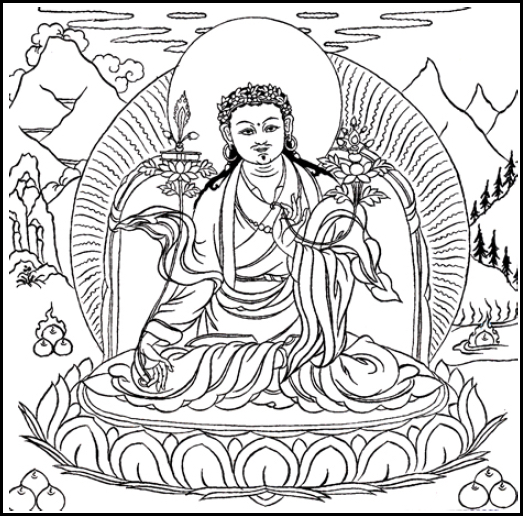
According to Sumton's account, Yutok journeyed to India six times beginning around age eighteen, studying Vāgbhaṭa's Aṣṭāṅgahṛdayasaṃhitā (Heart of Medicine) in Vārāṇasī and Rājagṛha along with other treatises no longer extant, and is said to have received further instruction in Sri Lanka, Oḍḍiyāna, Nepal, and Persia. He reportedly began teaching only after returning from India around age thirty-four, at first using the Heart of Medicine before producing his own synthetic works. His central achievement, and the basis of his reputation as founder of Tibetan medicine, is his authorship, translation, or compilation of the Four Tantras (རྒྱུད་བཞི།, rgyud bzhi; full title བདུད་རྩི་སྙིང་པོ་ཡན་ལག་བརྒྱད་པ་གསང་བ་མན་ངག་གི་རྒྱུད།, bdud rtsi snying po yan lag brgyad pa gsang ba man ngag gi rgyud). Tibetan tradition frames the text as a terma concealed by Tri Songdetsen at Samye and rediscovered by Drapa Ngonshe (གྲྭ་པ་མངོན་ཤེས་) in 1038—accounting for its absence from the bka' 'gyur/bstan 'gyur despite its claimed status as buddhavacana—while an alternate account in the Virtuous Iron Hook instead has Yutok receiving it in the "Golden Isle" (gser gling, Suvarṇadvīpa). Tibetan historians including Desi Sanggye Gyatso (སྡེ་སྲིད་སངས་རྒྱས་རྒྱ་མཚོ་) and Zurkharwa Lodro Gyelpo (ཟུར་མཁར་བ་བློ་གྲོས་རྒྱལ་པོ་), along with most modern scholars (Yang Ga, Janet Gyatso, Olaf Czaja, and others), treat Yutok as the text's actual author or principal redactor, though the question remains debated.
Yutok's significance extends beyond medicine into tantric practice through the Yutok Heart Essence (གཡུ་ཐོག་སྙིང་ཐིག།), a cycle he is said to have transmitted in full to Sumtonpa in 1198. Classified by Nyingma doxographers as a mahāyoga sādhana cycle, it combines preliminary and generation-stage practices, techniques resembling the Six Dharmas of Nāropa, and completion-stage instruction culminating in Dzogchen "pointing-out" (ngo sprod); it later drew commentarial attention from the Fifth Dalai Lama and continues to be transmitted today, including by teachers such as Nida Chenagtsang. Yutok had two sons, Yutok Nyima and Yutok Bumseng, both trained in medicine, and numerous named disciples beyond Sumton Yeshe Zung, including Jangmen Lebse, Belmen Nyimapel, Tonpa Atse, Shakrampa Nyimapel, and Geshe Rokchung; the teachings of Yutok and his students dominated central Tibetan medical scholarship for generations and continue to shape the tradition. Sources agree that he died at age seventy-six, with later accounts describing his passing as an attainment of the rainbow body and departure to Tanadug, the pure land of the Medicine Buddha.
(Source: Adapted from Jaakko Takkinen, "Yutok Yonten Gonpo," Treasury of Lives (treasuryoflives.org, 2020), and the Wikipedia entry "Yuthok Yonten Gonpo the Younger."
3 Cycles
- བླ་སྒྲུབ་སྡུག་བསྔལ་མུན་སེལ་ཐུགས་རྗེའི་ཉི་འོད་
Bla sgrub sdug bsngal mun sel thugs rje'i nyi 'od (4 of 4 Texts) - གཡུ་ཐོག་སྙིང་ཐིག་
G.yu thog snying thig (5 of 10 Texts) - སྨན་བླའི་རྩ་པྲ་
Sman bla'i rtsa pra (1 of 1 Texts)